8th century
Damascus → Córdoba
The Umayyad trajectory explains one specific dynastic connection.
SourceProject in development · 17 October 2026
Almost eight centuries of history left cities, knowledge and ways of living that we can still recognise. Begin exploring that inheritance and the sources that help us study it.
Al-Andalus is the name given to the territories of the Iberian Peninsula under Muslim rule between 711 and 1492.
Its borders and societies changed over almost eight centuries. Muslims, Christians and Jews lived in its cities, through periods of exchange as well as conflict. Trade and translation connected their knowledge with other parts of the Mediterranean.
The life of a craftsperson, a family or someone devoted to study offers a way into that diversity. The account will include local populations, Arab and Amazigh communities, and different Jewish and Christian traditions. Their relationships and living conditions varied across places and centuries.
The people behind the historyMuslim rule begins in territories of the Iberian Peninsula. Its boundaries will change over time.
The Umayyad emirate of Córdoba and, from 929, the caliphate.
Taifa kingdoms and Almoravid and Almohad powers, with political and cultural connections between the Maghreb and the peninsula.
The Nasrid kingdom of Granada lasts until 1492. Its political end does not erase its cultural legacies.
8th century
The Umayyad trajectory explains one specific dynastic connection.
Source12th–13th centuries
Almohad power linked centres on both shores.
Source11th–13th centuries
Translations extended the circulation of knowledge, including Al-Zarqali’s work.
SourceThese connections belong to different periods. They help us navigate the history; they do not represent one route or present-day borders or alliances.
02 What remains
The Alhambra, the Mosque of Córdoba, Medina Azahara. We recognise their names and their forms. The museum will bring us closer to the people who gave them life.
Behind that heritage are ways of building, cultivating land and sharing water. Some remain part of our lives. Understanding them helps us recognise what we have inherited and what deserves to reach the next generation.
Heritage recognised by UNESCOThese designations apply to the heritage cited. They do not imply UNESCO recognition of or participation in the museum project.

Three sites on the World Heritage List and a tradition of water management recognised as intangible cultural heritage.
Granada · 1984 / 1994
The palaces, gardens and neighbourhood preserve ways of building and living from Andalusi Granada. The 1984 inscription was extended to the Albayzín in 1994.
UNESCO listing
Córdoba · 1984 / 1994
The Mosque joined the List in 1984. Ten years later, the designation was extended to the historic centre, where the caliphal city stands alongside traces of other periods.
UNESCO listing
Córdoba · 2018
Built in the 10th century as the seat of the caliphate, its remains reveal the organisation of a city created to govern a territory.
UNESCO listingIntangible cultural heritage · 2009
The Water Tribunal of Valencia and the Council of Wise Men of Murcia still settle disputes between irrigators. UNESCO dates their origins to the Andalusi period, between the 9th and 13th centuries.
Their recognition encompasses a way of passing on knowledge and reaching agreements. The museum’s irrigation experience will help visitors understand why sharing water mattered as much as knowing how to channel it.
UNESCO listing✳ Perspectives worth hearing
These voices approach history and coexistence from different moments and perspectives. Their words invite us to learn more.
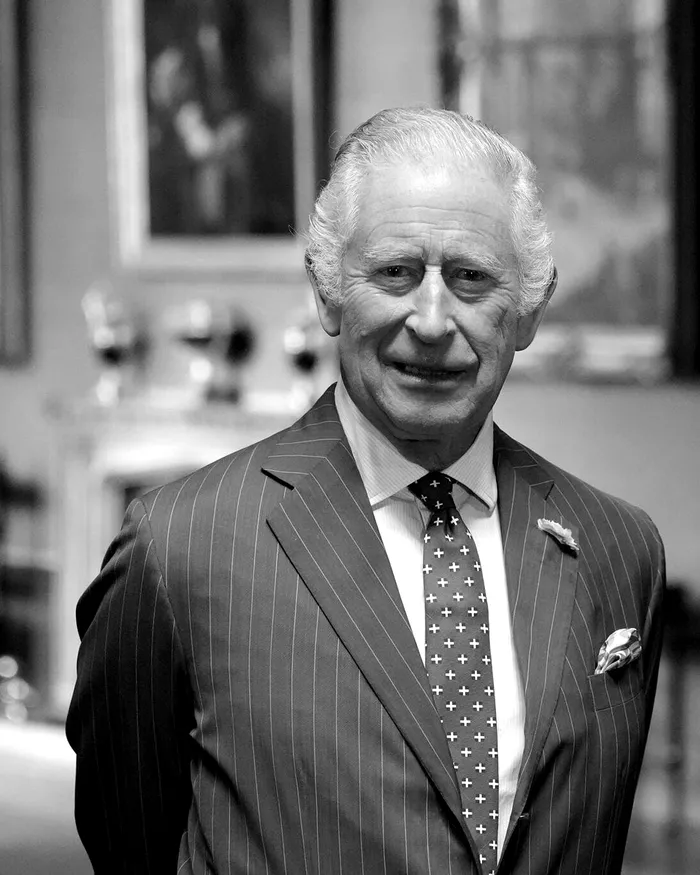
Then Prince of Wales
«Cordoba in the 10th century was by far the most civilised city of Europe.»
Oxford · 27 October 1993
In a lecture at Oxford, the then Prince of Wales discussed Europe's debt to Islamic culture and to the Córdoba of Al-Andalus.
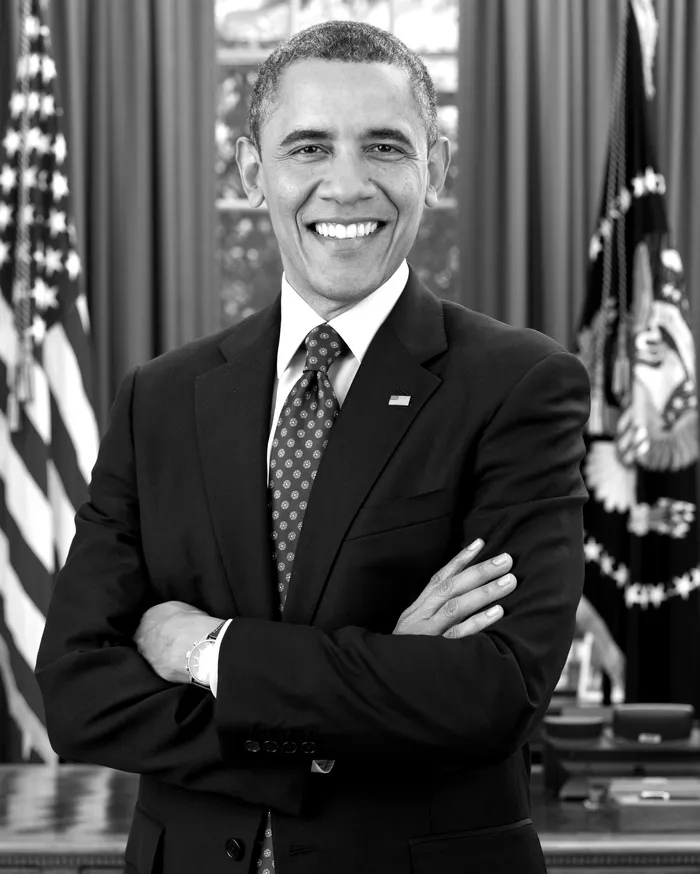
President of the United States, 2009
«Islam has a proud tradition of tolerance.»
Cairo · 4 June 2009
Addressing the Muslim world from Cairo, Obama referred to Andalusia and Córdoba in his discussion of religious tolerance.
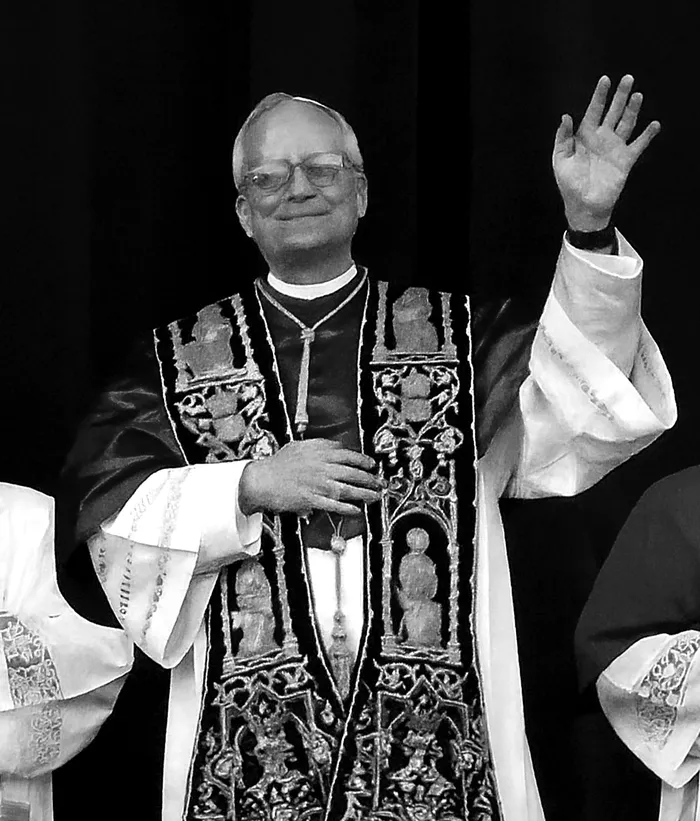
Pope Leo XIV
«Cities such as Córdoba and Toledo became places of mediation between languages, religions and forms of knowledge.»
Madrid · 6 June 2026
In Madrid, Leo XIV recalled the work of translators and the exchange of knowledge between Muslims, Christians and Jews.
Signatories of the Document on Human Fraternity
«The pluralism and the diversity of religions, colour, sex, race and language are willed by God in His wisdom.»
Abu Dhabi · 4 February 2019
Francis and Ahmad Al-Tayyeb signed a document on human fraternity in Abu Dhabi. We include it here for its defence of coexistence between people of different beliefs.
These words are included as cultural references. Their inclusion does not imply endorsement of the project.