On Córdoba

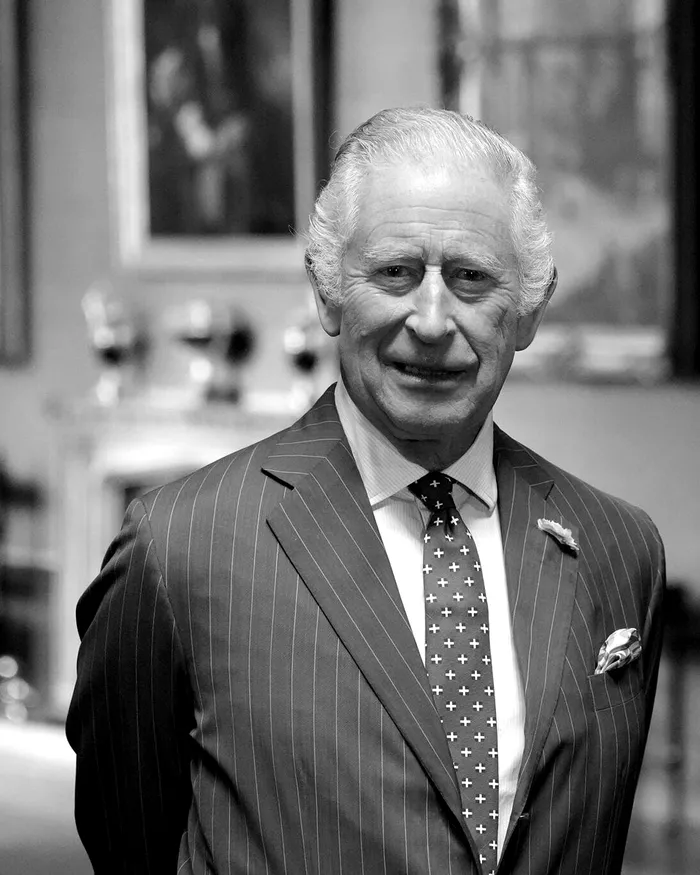
Charles III
Prince of Wales at the time of the speech
«Cordoba in the 10th century was by far the most civilised city of Europe.»
Oxford · 27 October 1993
Islam and the West · Oxford Centre for Islamic Studies · PDF p. 7
Al-Andalus Museum
Ideas grow as they travel and meet different ways of thinking. Al-Andalus invites us to discover what we can achieve when we learn from one another. A living museum that brings people closer.
An invitation to countries and institutions
Al-Andalus Museum proposes connecting two shores through an institution dedicated to discovering how knowledge grows when people learn from one another. For its host countries, an opportunity to make their commitment to education, openness and cultural cooperation tangible.
The museum will belong to your country: the host funds, owns and operates it. Its initiators, Rafael Dávila and Olga Gómez, contribute the idea and support its founding stage.
Explore your country’s roleWhat the museum could contribute to your country01 / A museum for our time
A country can create places where people from different generations and backgrounds learn from one another.
A cultural institution for recognising other contributions, connecting knowledge and creating together. Documented stories and immersive experiences in the service of better relationships between people.
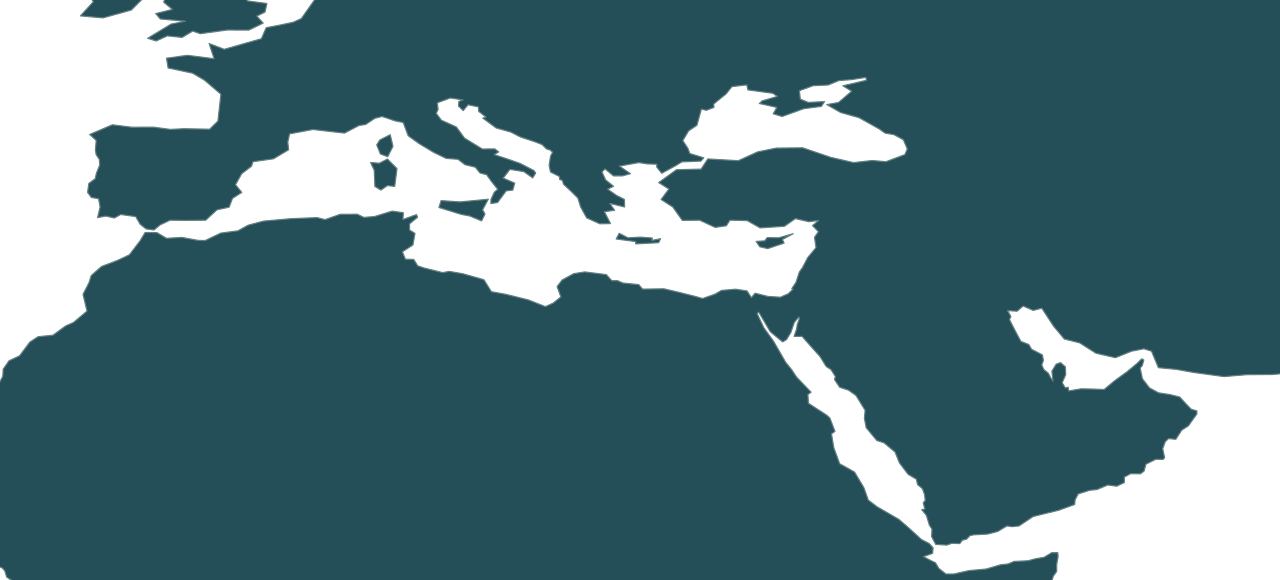
A presence in Iberia and the Maghreb and another in the Arab East. A shared mission, with initiative from both places and programmes connecting their institutions and audiences.
01Iberia and the Maghreb
02The Levant and the Arabian Peninsula
Knowledge in both directions
Proposed areas of cooperation. Lines are symbolic; countries and sites remain to be agreed.
02 Perspectives worth hearing
Two perspectives on Al-Andalus and a joint declaration on human fraternity. Quotations from primary sources, included as cultural references.
On Córdoba

Prince of Wales at the time of the speech
«Cordoba in the 10th century was by far the most civilised city of Europe.»
Oxford · 27 October 1993
Islam and the West · Oxford Centre for Islamic Studies · PDF p. 7
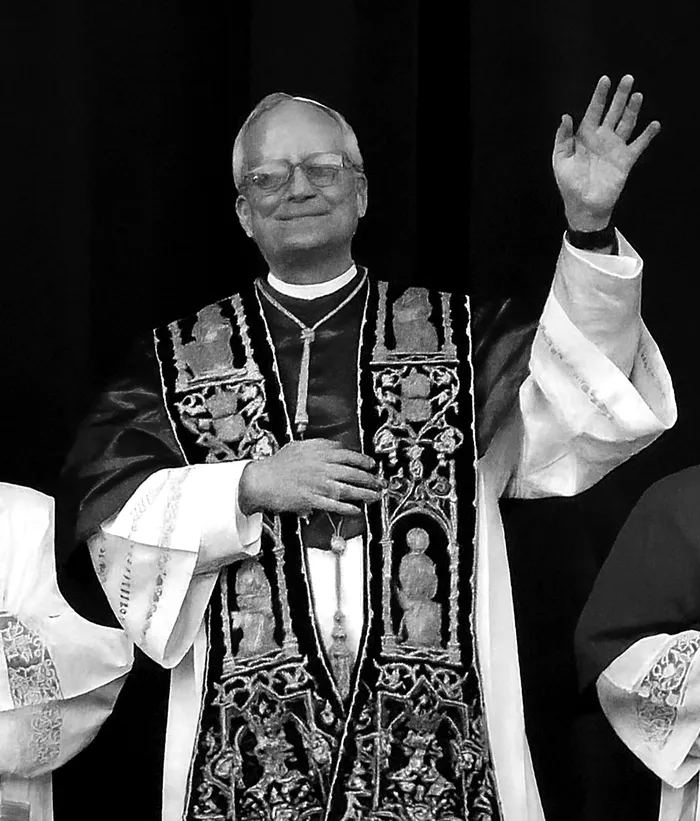
On the transmission of learning

Pope of the Catholic Church
«Cities such as Córdoba and Toledo became places of mediation between languages, religions and forms of knowledge.»
Madrid · 6 June 2026
Meeting with the authorities · Royal Palace of Madrid
On human fraternity
Pope of the Catholic Church at the time of signing
Grand Imam of Al-Azhar
«The pluralism and the diversity of religions, colour, sex, race and language are willed by God in His wisdom […]»
Abu Dhabi · 4 February 2019
Document on Human Fraternity · joint declaration
03 / Why Al-Andalus
Al-Andalus took part in a network of knowledge connecting the Mediterranean, the Islamic world and Latin Europe. It received, debated and transformed knowledge, producing works that others went on to study.
The Muslim presence and its contributions are part of European history. In Al-Andalus, Muslims, Jews and Christians participated in intellectual life in different ways. The conflicts and inequalities of that world existed alongside episodes of exchange that deserve to be understood.
Explore the stories and their sourcesA Greek text about plants, translated into Arabic in Baghdad, raised new questions in tenth-century Córdoba. Comparing words, images and plants helped scholars interpret it.
Explore the case and its sourcesHis commentaries on Aristotle circulated in Latin translation and informed philosophical and university debates. A reading developed in another context became a contribution in its own right.
Read the source · BnFThese cases show different paths and moments separated by centuries. Knowledge travelled through many channels: Al-Andalus was one of its places of encounter and creation.
04 / What its audiences would experience
Four experiences to recognise other lives, share knowledge and discover the value of cooperation. A cultural contribution that your audiences can experience.
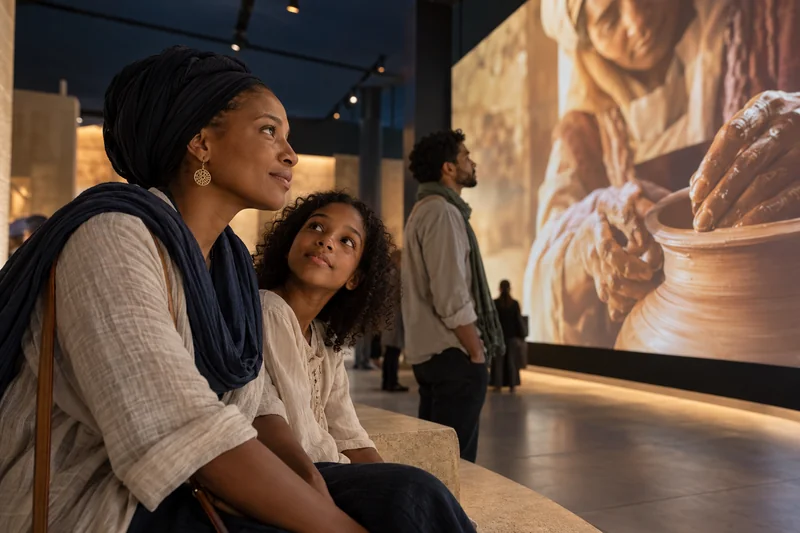
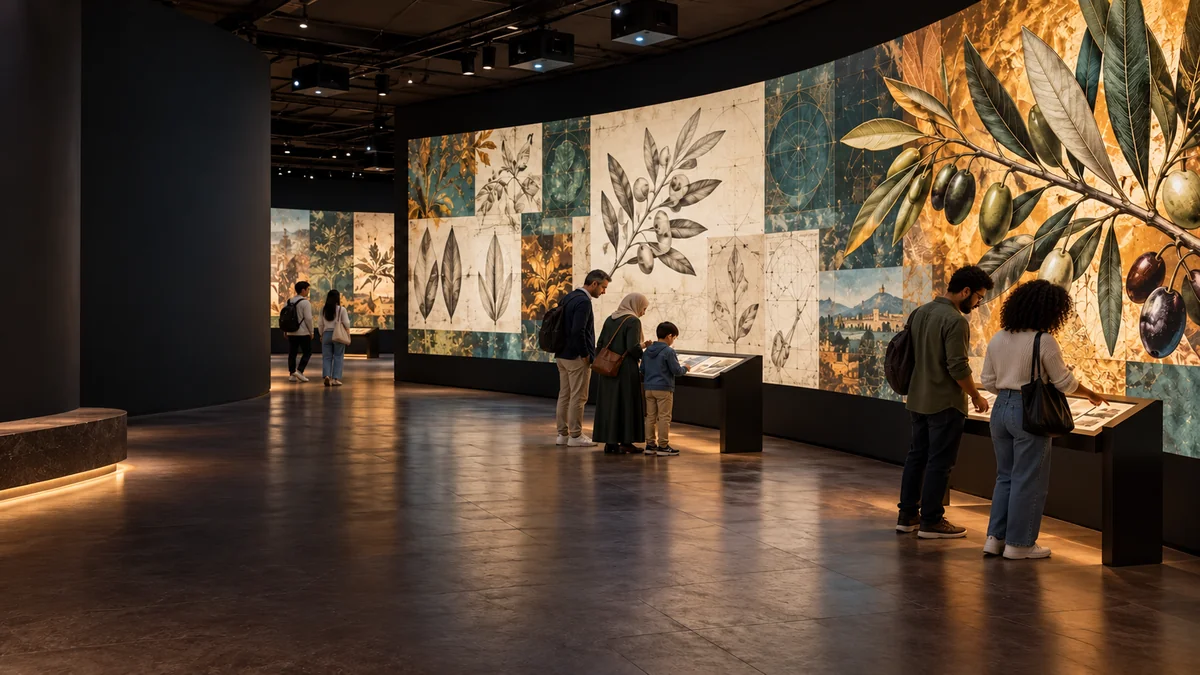
Generated concept visualisations

01 / Recognise
Stories of people who learned, worked and created in Al-Andalus. An immersive room invites audiences to recognise the people behind the labels.
A continuous audiovisual narrative, presence zones and localised sound. Cases will be documented and dramatisations identified as such.


02 / Share
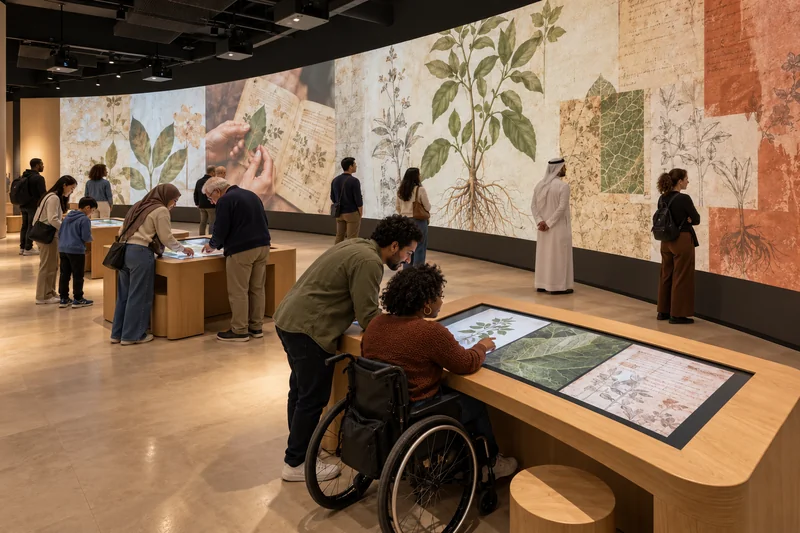
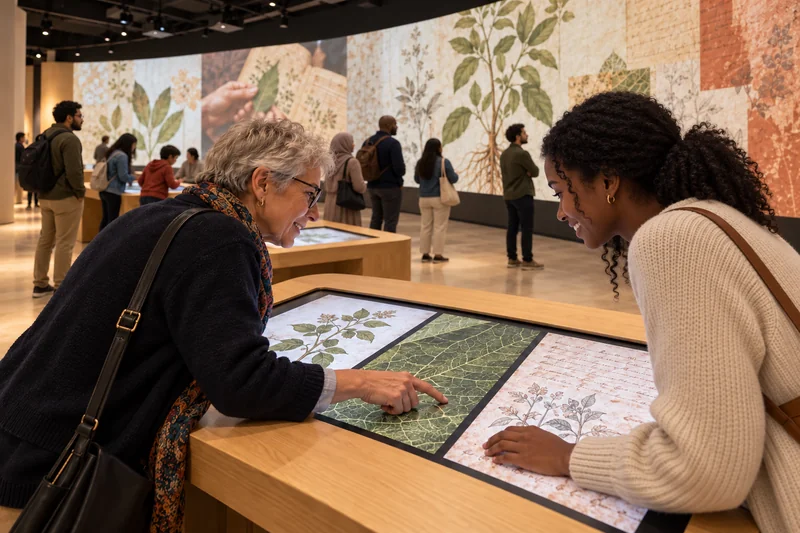
Córdoba, tenth century. Work on Dioscorides invites audiences to compare words, images and plants: different contributions open new questions.
Independent tables and a continuous audiovisual story. Sources and species will be reviewed with specialists. Participation is optional; the journey does not depend on completing the interaction.

03 / Live together
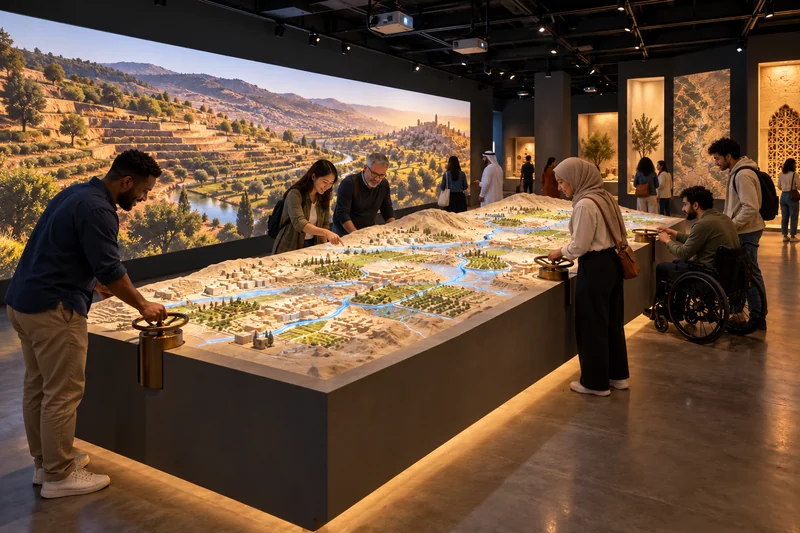
Sharing water changes what happens in a common landscape. An interactive model explores other people’s needs and the value of agreement.
More water here means less there. Finding a balance means considering both needs.
Illustrative allocation model; it does not represent actual water requirements.
A dry landscape model, distributed controls and projection mapping. An educational model inspired by documented techniques; its rules will be explained to visitors.
04 / Build
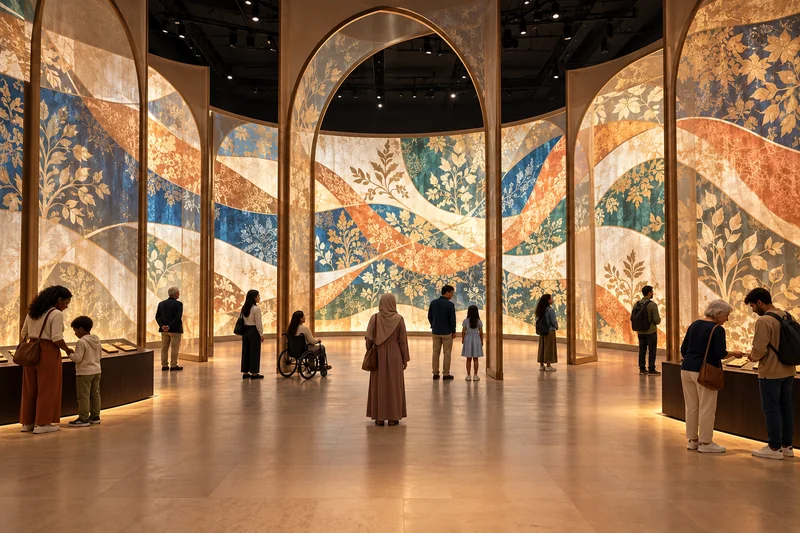
Shapes, colours and lines meet in a work of light. Different contributions come together in a shared creation.

Sensor-recognised pieces and projection onto surfaces and translucent scrims. Distributed, optional participation. A contemporary creation about cooperation, not a reconstruction of the past.
From encounters to architecture
A museum where discovery, conversation and learning are part of the same journey.

Knowledge is discovered together.
Making room for encounters.
The conversation continues beyond the visit.
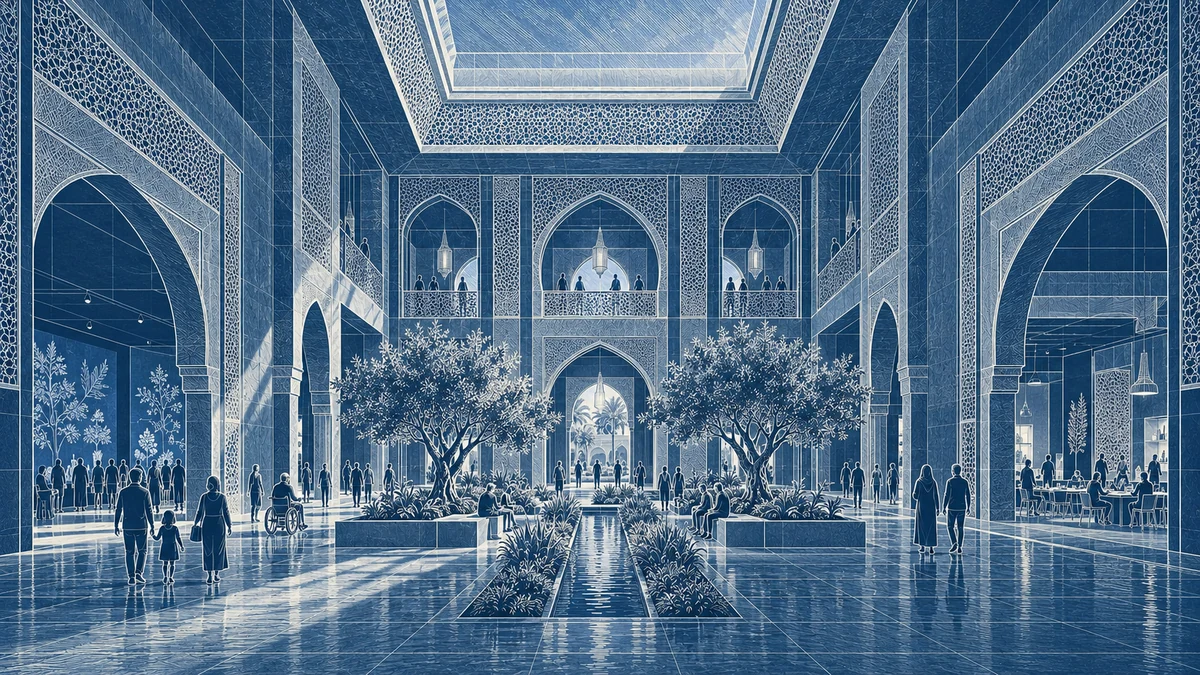
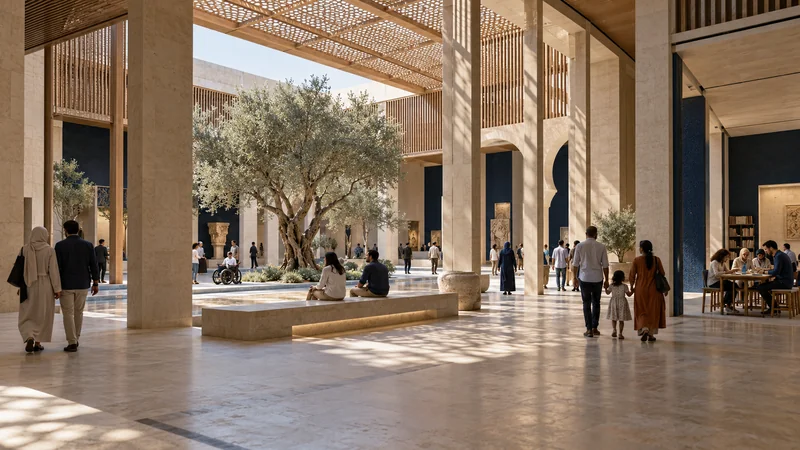
Architecture shaped around people
Explore the visitor journey05 / Designed to welcome different audiences
Welcoming diverse audiences means considering circulation alongside content. The proposal combines simultaneous participation, observation and pauses, with access options to be tested with users. Site studies and prototypes will determine capacity and operations.
Proposed operating concept
Shared environments and independent stations support parallel activity, without a single controller for the whole gallery.
The main story makes sense as you move through it. Further explorations enrich the visit without becoming mandatory steps.
The proposal includes pauses, reading and listening, alternatives to intense stimuli and different ways to participate.
We will test interaction times, group arrivals, waiting, accessibility and responses to technical issues. Capacity and operating resources will be established through prototypes and venue studies. The images express an intended experience; they do not demonstrate an approved capacity or a completed installation.
06 / From ambition to experience
For a host institution, cultural ambition needs a clear development process. Research, design and testing with audiences will help assess learning, participation and operational needs before adapting the museum to a site.
Generated concept visual
Select cases, compare sources and distinguish documentation from interpretation.
Define what visitors do, what changes and what they understand, alongside circulation and accessibility.
Build prototypes with visitors. Observe understanding, participation, waiting and assistance needs.
Refine content, technology and operation before adapting the whole to a venue.
We study international formats to learn from their interaction, storytelling and operation. The project applies that research to a specific mission: discovering the value of learning with others.
Environments that respond to presence and movement.
Historical reconstruction and collaboration with specialists.
Shared immersion and operational design.
Research references.
07 / Museum · School · Forum
Museum, School and Forum propose an ongoing relationship with the country: researching and transmitting heritage, supporting its educational institutions and opening cooperation with others.
Museum
The museum proposes documenting histories, knowledge and tangible and intangible heritage, and turning that research into accessible experiences. Sources, identified reproductions and digital archives will underpin the narrative.
Explore the journeySchool
The School proposes developing resources with local teachers and educational institutions. The visit becomes part of a process that starts in the classroom and continues on return.
Explore the educational proposalForum
The Forum proposes bringing research, creativity and society together around questions shared by both shores. Encounters can inform new content and subsequent collaborations.
Explore the programmesThe proposal includes researching sources, documenting living knowledge with its practitioners, organising authorised digital materials and preparing interpretation resources. This work will sustain the museum beyond each exhibition and develop with participating institutions and communities.
Two shores · An invitation
Make possible an institution that brings people closer, connects knowledge and sustains relationships across cultures.

A first conversation about your cultural priorities, your audiences and the role you could play.